“A fed bear is a dead bear”
Why?
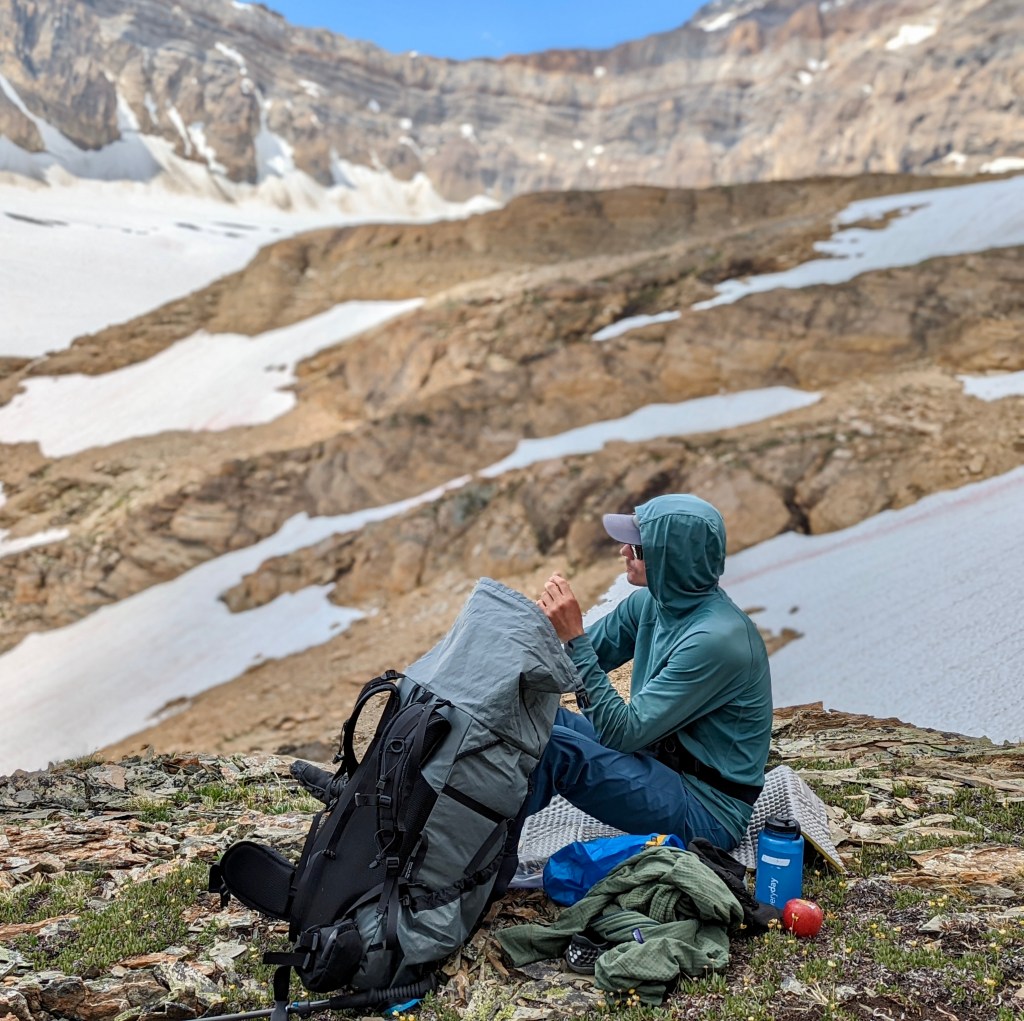
The quote above is a term that I think many of us have heard at one point in our lives or another. If you recreate in the Canadian wilderness regularly you probably know how important it is to pack out your garbage, properly bury your poop, keep a clean campsite and secure your food from wildlife. Beyond waking up in the middle of nowhere with nothing left to eat, there are also the implications of wild animals associating food with man made bags, backpacks and campsites, which has the potential to create conflicts between wildlife and humans down the road. In an effort to keep the wilderness wild, many of us use a number of different methods to protect our food through the night on multi-day hiking trips. Some methods are faster than others, while others provide a higher level of security, but how many of us are “doing it right” or are we just “getting lucky”? Despite bears being our major concern, deer, mice, squirrels, marmots, and porcupine are some, but not all wild animals that can become opportunistic or dependant on human sources of food.
Common Methods:
Bear Canister:
In my mind the most secure method has got to be the ever popular “Bear Canister”. There are a few different, but similarly designed products, in a number of sizes on the market. All are basically a beefed up plastic bin that allows the user to store up to 8 days of food (largest of the models) behind a locked lid. I only have minimal experience with this option, having owned a Bear Vault (BV 450) for the last year. Some of the models can be snug to store in your back pack, depending on what size of backpack and base weight you regularly carry. Although they look like they may be difficult to secure in place overnight, due to their round shape and ability to roll, many people seem to like this system and have commented that they simply “jam it” between some stumps, trees or rocks through the night, some distance from camp – as do I. This system will protect your food from all types of critters and can be used as a low seat if needed. The weight of the bin and the fact it doesn’t shrink in size after slowly consuming its contents has always put this method at the bottom of the list for me on longer hiking trips and that’s why I have only just recently bought one. While writing up this article I realized that it has a place for me on short 2-4 day adventures, especially near treeline or in the alpine. Although it’s the heaviest option, for me right now the durability and ease of use can sometimes outweigh the extra weight in my bag. I think this may be the safest and best option for inexperienced adventurers.
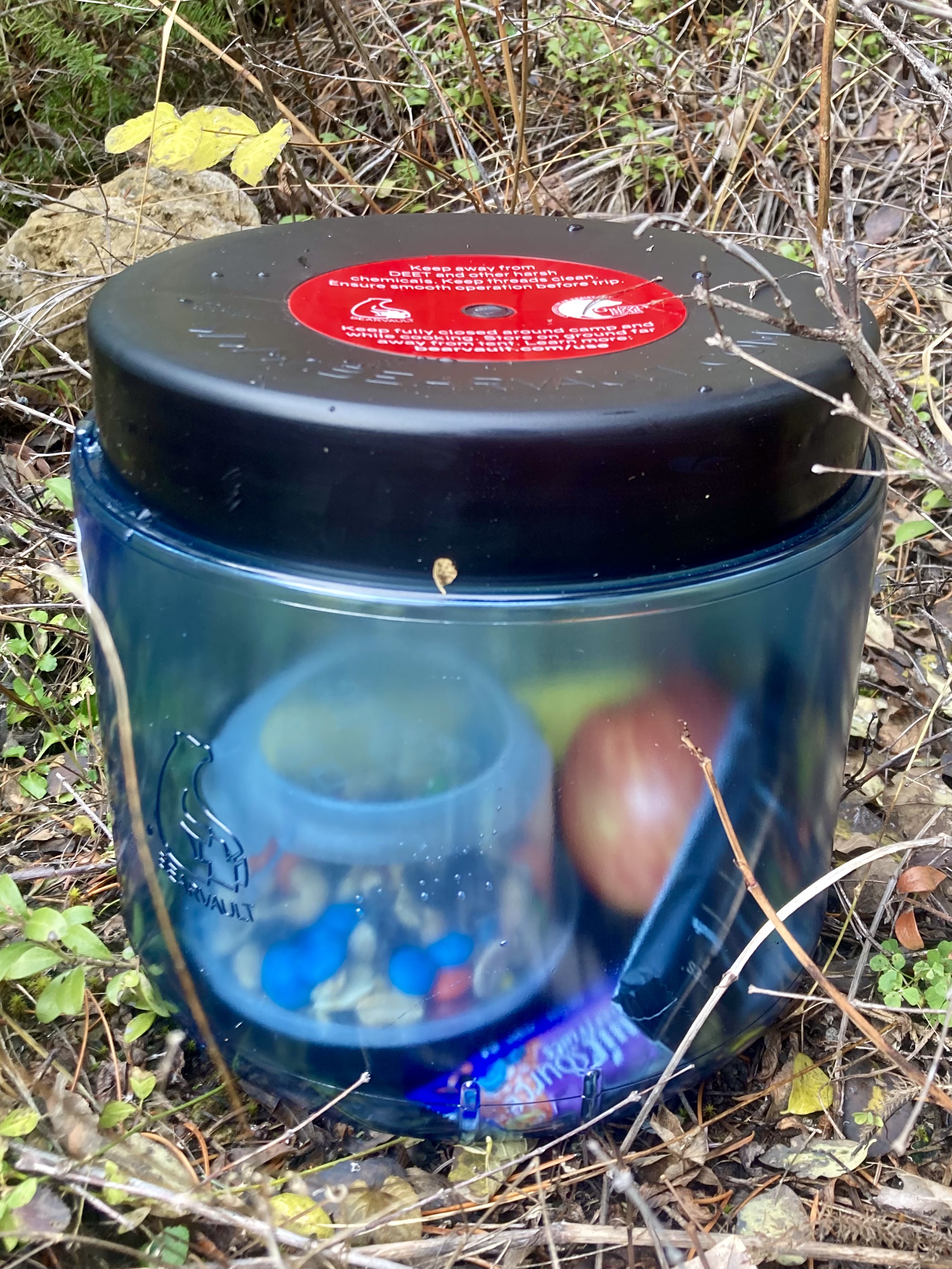
BV 450 – Bear Vault
Food Bear Hang:
The lightest and cheapest method would have to be hanging a food bag in a tree. First I recommend starting with a waterproof dry bag for best results. There is some debate as to whether a waterproof dry bag holds scents or not, but I am not going to comment on that here. The easiest way to execute this is to place your rock or other small weight in a small stuff sack and tie a line to the bag. Next throw the bag with the rock inside and line attached up over a high tree branch and allow it to fall back down to the ground. Now you have both ends of the line or rope in your hands. Tie your food bag on to one end of the line and pull on the other end to hoist the food bag up into the air. Next you will then secure the end of the line, preferably to another tree or some other solid anchor point. In best practice, this method requires the food bag to be 12 feet above the ground at a minimum and the bag at least 6 feet from the trunk of the tree, to be most effective at preventing a grizzly and black bear, as well as most other creatures. Over the years I have learned a few different methods to hang food from trees, many of which you can find on YouTube like: The “PCT Bear Bag Hang” methods and the “Two Tree Bear Bag Hang” method to name a few. I have often found the “Two Tree Method” effective in areas with short trees and/or small branches. One thing I noticed though was that no matter how good or how prepared people are, sometimes the small size or lack of trees in the sub-alpine and alpine, or lack of larger branches often prevented any kind of tree hanging at all. Keep that in mind when deciding on a system for yourself. Without pre-scouting I have not seen a proper tree hang take any less than 10 minutes in the best forest and it could take as long as 20 or 30 minutes, if you are inexperienced. Even worse is trying to find a good tree after a long day on trail of solid rain. All you want to do is get dry and warm, not walk through the bush looking for a tree to hang your food. After throwing rocks at trees for 15 or so years I wanted to try and find a better method.
Ursack:
At the start of 2020 I was in the planning phase of a 700km hike in the U.S. – The Colorado Trail, which I would never set foot on, due to Covid dropping that year and goals changing the years after. I had planned to be on trail for 41 days in total and I wanted something faster than hanging my food bag high in a tree, but lighter in weight than a bear canister. After doing a bit of digging around on the internet and some online groups I came across the Ursack system and have used it ever since. For the last 4+ years I have used an Ursack in conjunction with odour proof bags to store my food below chest height, tied to a tree on my multi-day hike adventures. For those of you who don’t know what an Ursack is, in its most basic form it’s a storage sack, with an attached drawstring. The sack and drawstring just happen to be made of Kevlar fibre, which is highly cut and tear resistant. Food, garbage and scented items are placed in an odour proof bag, which is sealed by a double ziplock. The loaded bag or bags are then placed in the Ursack, which is hung from a tree low on the trunk. The idea is that the odour proof bag(s) do most of the work here, as long as food scents are kept off the outside of the bag(s). That means cleaning the peanut butter grease off of your fingers, before you zip up your food sack for the night.The outer ursack only prevents a bear or other animal from eating your food. It is not crush resistant. Funny enough though, some rodents like squirrels and mice can actually chew through this bag. I know, it sounds a bit silly that a bear can’t chew through it, but a mouse can? Why would I let an animal ruin my food? Once again the idea is that nothing smells the food and therefor cannot find it. The outer bag is just a backup to prevent a bear or other large animal from thinking it can get an easy meal. The company does make other models that can keep out mice and other rodents, if that’s your main concern. Areas like the southern United States may be a good area for one of these. There is a model that can take on all of the critters big or small, but as you would expect, it’s both bags put together and much heavier than the Ursack alone. You will have to decide which model of bag is right for you. If, you are looking for a relatively lightweight and flexible setup this one is a great option.
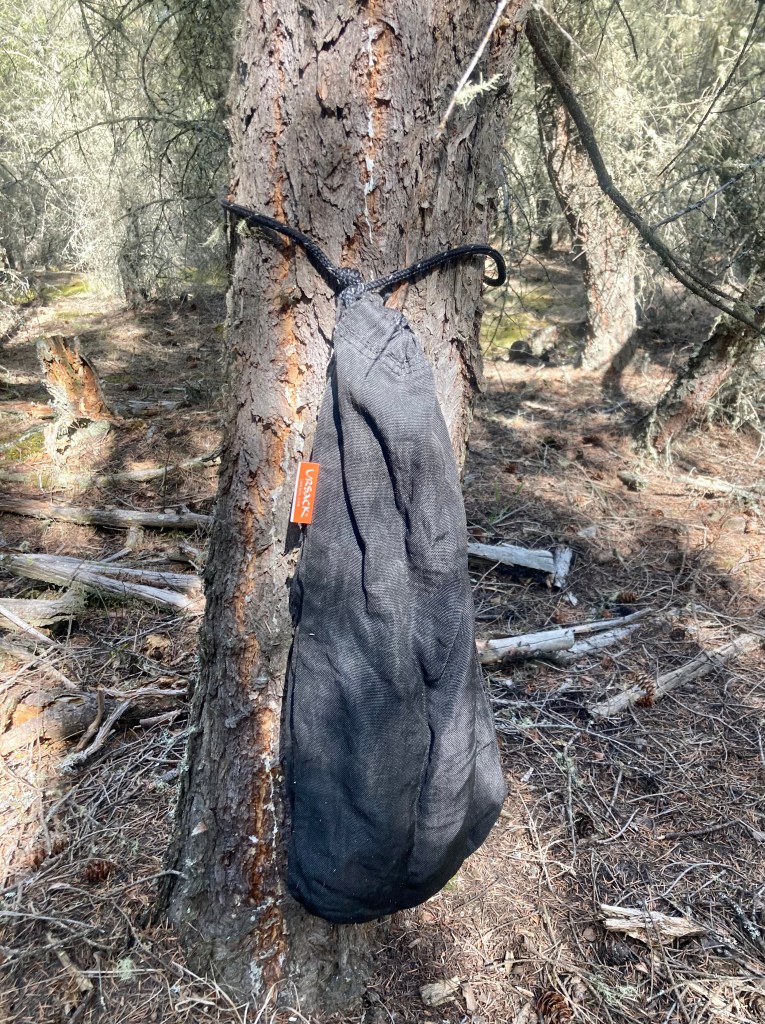
Ursack – Kevlar Food Storage Bag
Note: Odour proof sacks come in a few brands, but I prefer the Smelly Proof brand. They seem more durable both in the bag itself and the zipper. The OP Sack brand bags are a bit thicker of a material, but they also seem brittle and have tiny holes form after what I would consider to be minor crinkling, folding and exposer to cold. I also found I had to be much more careful with the zippers on the OP Sack brand. If you use this brand just be slow with he zippers, careful on cold mornings and roll the bags up for storage full or empty, instead of folding.
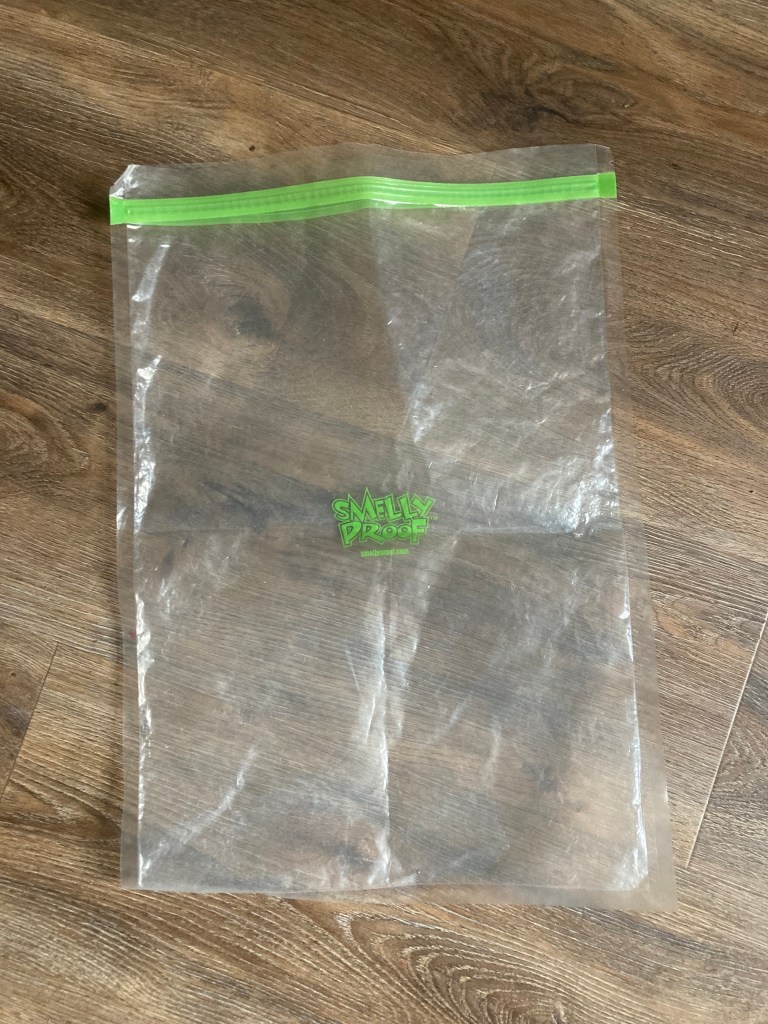
Smelly Proof Bag
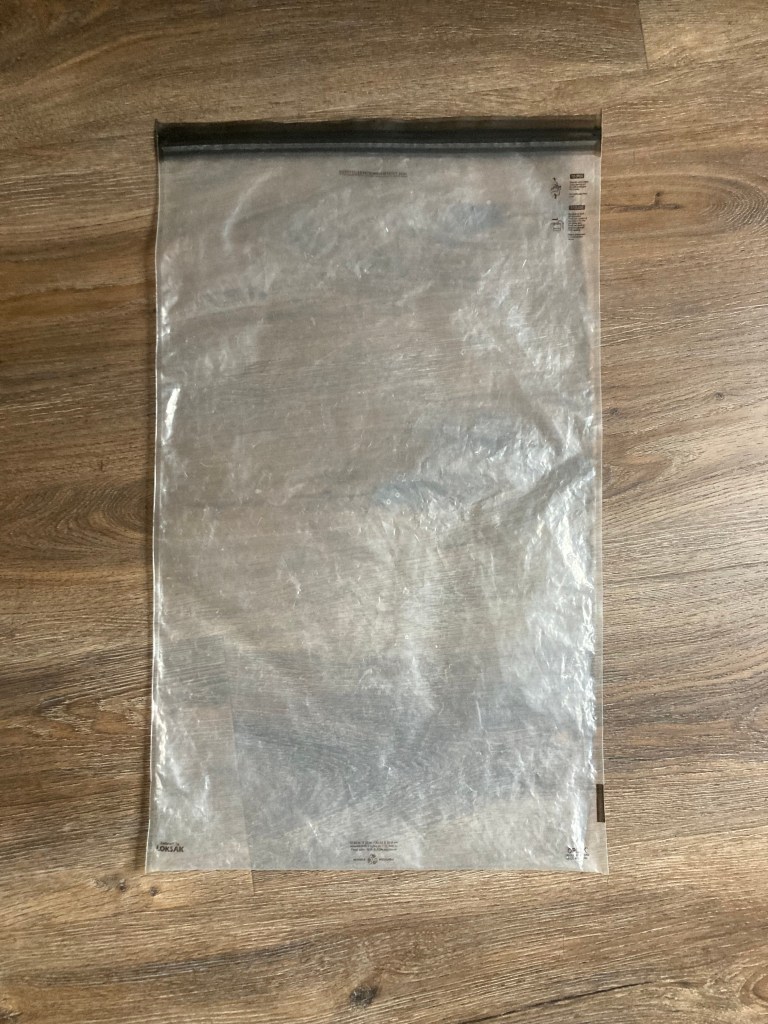
OP Sack Bag
Conclusion:
For me, my main concern is preventing animals from eating my food then becoming a danger to other campers and reliant on human food/wastes. In its true form, practicing leave no trace means coming prepared and keeping the wilderness wild. It wasn’t my intent to sway you one way or another in this article, as to which type of food storage system you should use. Im hoping that by now you can make your own mind up as to which food storage system(s) may suit your style of backcountry recreation. Keep in mind the durability, weight, and size of each system, where you are going, what types or animals you may encounter and how long your trip is, and how much food you will be carrying, when making your choice.
Happy adventures!
 Rapids and Ridgelines
Leave a comment